Struggling with low energy or stubborn weight after 30? 👉 Learn how cellular energy support may help

How Appetite Is Regulated in the Body
Appetite isn’t just about how much you eat — it’s influenced by how the body manages energy and signals fullness. When energy production is inconsistent, hunger and cravings can feel harder to manage.
Supporting appetite often means focusing on:
Stable energy levels
Balanced blood sugar responses
Consistent daily routines
Why Appetite Feels Harder to Control After 30
Cravings feel stronger or more frequent
Eating habits feel harder to regulate
Energy dips lead to snacking
“Willpower” doesn’t work the way it used to
Appetite regulation is influenced by metabolism, energy levels, hormones, and daily habits. When these systems change, hunger cues can feel out of sync.
How Appetite Is Regulated in the Body
Appetite isn’t just about how much you eat — it’s influenced by how the body manages energy and signals fullness. When energy production is inconsistent, hunger and cravings can feel harder to manage.
Supporting appetite often means focusing on:
Stable energy levels
Balanced blood sugar responses
Consistent daily routines
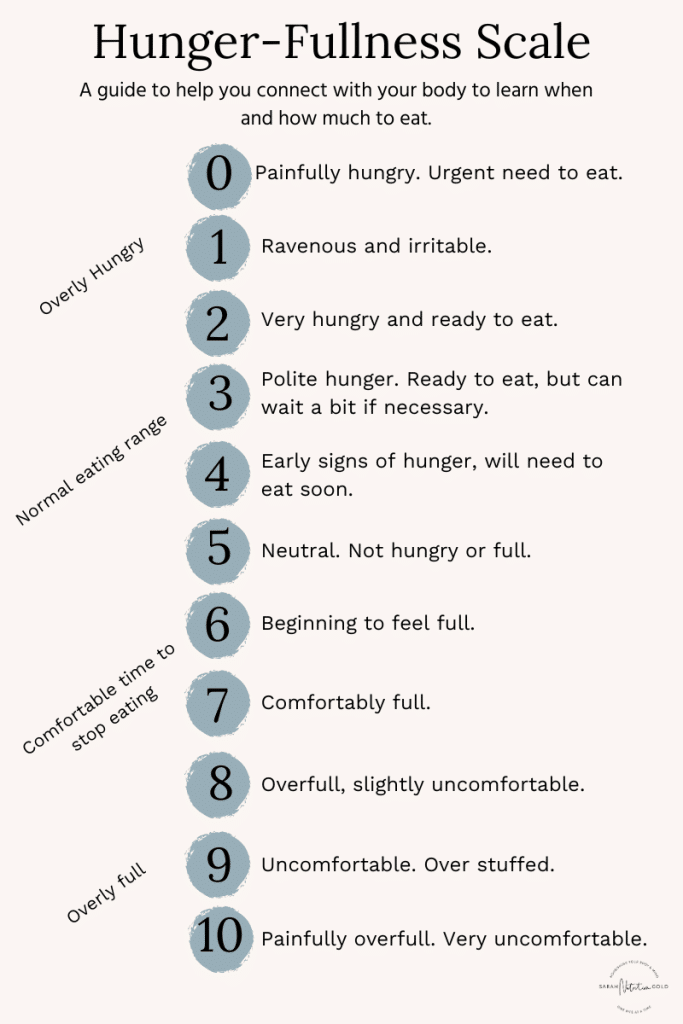
WHAT TO LOOK FOR IN APPETITE SUPPORT
Focuses on balance, not restriction
Avoids aggressive stimulants
Supports consistency and awareness
Designed for long-term habits
Not all appetite products work the same way. Understanding the approach matters more than quick promises.
Appetite Support vs. Metabolism Support
Appetite support can be helpful, but it often works best alongside metabolic support. Energy production plays a key role in how hunger signals are managed.
For many adults, addressing metabolism first creates a stronger foundation.
Who it may help:
Adults 30+ managing cravings
Those seeking awareness, not extremes
People focused on consistency
Who it may not help:
Those expecting instant appetite suppression
Those seeking aggressive solutions
Start with Metabolism Support First
While appetite support can be useful, many adults find better results by first supporting metabolism at the cellular level.
Appetite and metabolic support approaches vary by individual. Results depend on consistency, lifestyle factors, and personal health considerations.